Rubbish clearance W4 Chiswick estates and streets
Posted on 15/07/2026
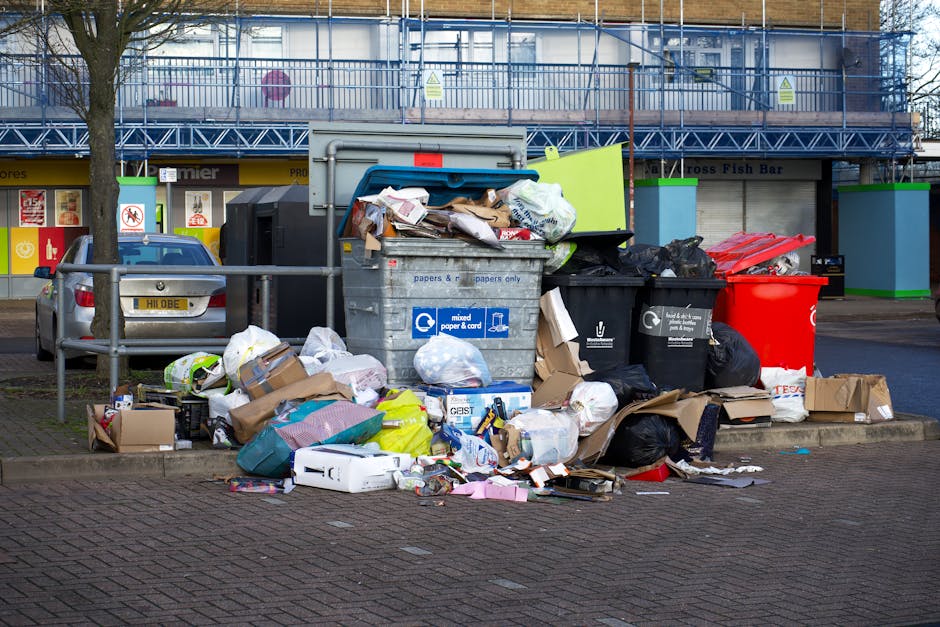
If you live or work around Chiswick, you already know the pattern: a hallway starts with one bag of clutter, then suddenly there's a broken chair, a flat-pack box that never made it to recycling, and a bulky item blocking the lobby. Rubbish clearance W4 Chiswick estates and streets is about dealing with that reality properly, quickly, and with as little disruption as possible. In a place where residents, landlords, agents, and businesses all share tight access routes and busy streets, good clearance is not just tidiness. It is courtesy, safety, and local know-how rolled into one.
This guide explains how clearance works on Chiswick estates and streets, what to expect, how to avoid common mistakes, and how to choose the right approach for your situation. You will also find a practical checklist, a comparison of options, and a few grounded tips from real-world experience. Because let's face it, rubbish is rarely dramatic by itself. It becomes a headache when it is in the wrong place at the wrong time.
Why rubbish clearance in W4 matters
Chiswick estates and streets are a mix of period homes, modern apartments, mansion blocks, maisonettes, and commercial premises tucked into busy corners. That variety is exactly why clearance needs to be handled carefully. What works for a front-drive house in the suburbs can fall apart on a narrow W4 street with limited parking, resident permit rules, or a shared entrance that everybody uses at school-run time.
On estates, waste can affect more than appearance. A pile of bags in a bin store can attract pests, create odours, and make communal areas feel neglected. On streets, an abandoned sofa or pile of renovation offcuts can obstruct pavements, upset neighbours, and create a real nuisance for pedestrians, delivery drivers, and building managers. If you have ever tried to manoeuvre a mattress down a stairwell while someone is waiting for the lift, you know the kind of friction that builds up fast.
There is also a reputational side. For landlords and letting agents, a clean handover keeps tenants happier and reduces avoidable complaints. For homeowners preparing a sale, a cleared property often feels brighter and more usable straight away. If you are moving, it helps the next stage feel less frantic. For that wider moving context, many readers also find a local guide to moving to Chiswick useful, especially if the clearance is part of a bigger relocation.
Practical takeaway: the best rubbish clearance is not just removal. It is removal that respects access, neighbours, building rules, timing, and recycling expectations.
How rubbish clearance W4 Chiswick estates and streets works
The process is usually more straightforward than people expect, but it does reward a little planning. A good clearance follows a simple sequence: assess the waste, identify access constraints, agree what should be removed, and then remove it safely with the right vehicle and crew size. Sounds simple. In practice, the details matter.
1. Identify the waste correctly
Start by separating general rubbish from items that need special handling. Bulky furniture, white goods, garden cuttings, renovation debris, office paper, and mixed household waste do not all move through the same route. A quick sort at the start saves time later. If you have old wardrobes, wardrobes with mirrors, or heavy desks, flag them early. If the waste is mostly household clutter, domestic waste collection in Chiswick may be the cleanest fit.
2. Check access and parking
This part is easy to overlook, and it is often the thing that decides whether a job feels smooth or slightly chaotic. Estates may have height restrictions, shared loading bays, coded doors, narrow lifts, or "no waiting" streets. A van can only help if it can get reasonably close. The less guesswork, the better. If access is awkward, a team may need extra time or a smaller vehicle. That is not a problem, but it should be planned.
3. Match the service to the material
Not every clearance is the same. Old sofas and tables might be handled through furniture disposal. A cracked fridge or washing machine usually needs a white goods route. Builders' rubble is a different story again. For heavier renovation materials, builders waste disposal in Chiswick is often the more suitable option, while bulky old items may be better dealt with through furniture removal in Chiswick.
4. Separate recyclable and reusable items
Clearance should not be a random sweep into one bag. Good operators will look for items that can be recycled or diverted from landfill where appropriate. That might include cardboard, metals, wood, small electricals, and some garden waste. If sustainability matters to you, it should, then choosing a provider that talks plainly about sorting and recovery is a good sign. You can also review the company's recycling and sustainability approach before you book.
5. Remove, load, sweep, and document
The final stage should be tidy and calm, not rushed. The team removes items, checks the area for stray debris, and leaves the route safe. On communal estates, that small final sweep matters. It is the difference between "job done" and "job done properly".
Key benefits and practical advantages
People often think clearance is just about creating space. That is true, but it is only the first layer. The real value shows up in what happens afterwards.
- Faster recovery of usable space: A cleared hallway, spare room, garage, or bin area immediately feels more manageable.
- Lower stress for residents and neighbours: Fewer bags and bulky items mean less visual clutter and fewer complaints.
- Better fire and trip safety: Shared entrances and stairwells need to stay clear. No one wants loose items making access awkward.
- Improved presentation: For rentals, sales, and managed buildings, a tidy space helps everything look cared for.
- More responsible disposal: A structured clearance gives recyclable and reusable items a better chance of being handled correctly.
- Less wasted time: You avoid multiple car trips, rental van delays, and the classic "where do we put this now?" moment.
For landlords and property owners, clearance can be especially helpful between tenancies. For buyers and sellers, it makes viewings easier and often feels like an emotional reset. If you are looking at property decisions at the same time, buying and selling homes in Chiswick is a relevant read that sits nicely alongside practical clearance planning.
There is also a quieter benefit. Once clutter is gone, people usually see the space differently. A room that felt tired can start to look like a room again. Bit dramatic, maybe, but true.
Who this is for and when it makes sense
Rubbish clearance in W4 Chiswick estates and streets is useful for a lot of people, not just one-off house moves. If any of the scenarios below sound familiar, you are probably in the right place.
- Homeowners dealing with accumulated clutter, old furniture, or loft overflow.
- Renters who need to leave a property clean and ready for check-out.
- Landlords and letting agents preparing a flat or house after tenants move out.
- Residents on estates who need communal rubbish removed without upsetting neighbours.
- Office managers clearing a workspace, archive room, or storage area.
- Builders and contractors dealing with light renovation waste or post-project debris.
- Garden owners and caretakers with bags of cuttings, branches, soil, or seasonal waste.
It makes sense when the rubbish is too bulky for normal household disposal, too awkward to move safely alone, or too mixed to handle in a simple way. It also makes sense when timing matters. For example, before an end-of-tenancy inspection, after a refurbishment, or just ahead of a weekend family visit when you do not want the front room to resemble a storage cupboard.
If you are organising a larger domestic tidy-up, house clearance in Chiswick and loft clearance in Chiswick are both worth considering, depending on where the clutter has collected. Truth be told, the loft is often where the "we'll deal with that later" items go to retire.
Step-by-step guidance
Here is a simple way to approach a clearance without overcomplicating it.
- Walk the property first. Make a quick note of what needs removing, where it is stored, and whether anything is fragile or heavy.
- Separate item types. Put furniture, waste bags, appliances, garden material, and builder's debris into rough groups.
- Check building and street access. Note lift size, stair width, parking rules, entrance codes, and any time restrictions.
- Decide what stays. This sounds obvious, but it saves mistakes. Once things are mixed, things get messy very quickly.
- Book the right type of removal. Match the job to the waste stream rather than assuming one catch-all service will do everything.
- Prepare items for collection. Empty drawers, defrost appliances if needed, and remove personal paperwork from desks or cabinets.
- Keep pathways clear. Give the crew a safe route from room to vehicle. Small obstacle, big time saver.
- Ask for confirmation of disposal approach. A proper operator should be able to explain what will be reused, recycled, or disposed of responsibly.
For commercial spaces, the same logic applies, but the priority may be different. An office clearance can involve documents, desks, broken chairs, cable clutter, and redundant equipment. If that sounds like your world, office clearance in Chiswick and commercial waste removal in Chiswick are the more specific routes to look at.
Expert tips for better results
There are a few small habits that make a surprisingly big difference. None of them are flashy, but they keep clearance jobs calm and efficient.
Plan around the estate rhythm
On Chiswick estates, mornings and early evenings can be busy with residents coming and going. If you can avoid peak footfall, do. A mid-morning slot often feels easier for everyone. You will notice the difference in lift access alone.
Keep heavy items closest to the exit if possible
If you are doing a little pre-sort, place the heaviest or most awkward items near the natural exit route. No heroics. No back strain either. A sofa stored behind three boxes and a bike is never a pleasant surprise.
Photograph the load before collection
A quick photo helps you remember what is going and what is staying. It also helps if you are coordinating with a landlord, agent, or building manager and need a simple record. One phone picture. Done.
Ask about special items early
Fridges, freezers, washing machines, and dishwashers can change the job quite a bit. If you have appliances, check the handling route in advance. For those items, white goods and appliance disposal in Chiswick is often the cleaner fit.
Use the clearance as a reset
Once the rubbish is gone, keep going for ten more minutes. Wipe the surfaces. Fold the tarp. Vacuum the corner. That tiny extra effort makes the space feel genuinely finished, not half-sorted. A bit of effort, but worth it.
For readers who are particularly interested in greener habits, the blog on sustainable office practices and waste reduction connects neatly with the same mindset: reduce waste first, then clear what remains carefully.

Common mistakes to avoid
A lot of clearance problems are avoidable. Most of them come from rushing, assuming, or leaving decisions until the last minute.
- Mixing everything together. Mixed loads are harder to sort, harder to reuse, and harder to understand when you are paying for removal.
- Ignoring access constraints. A narrow street or awkward entrance can turn a simple job into a slow one if nobody plans for it.
- Leaving the booking too late. This is especially common before moving day or end-of-tenancy deadlines. Nobody enjoys that race against the clock.
- Forgetting about special waste. Appliances, plasterboard, paint tins, and electrical items may need separate handling.
- Assuming the cheapest quote is the best. It rarely is. Price matters, but so do clarity, punctuality, and responsible disposal.
- Not checking what is included. Some jobs need lifting from upper floors, parking coordination, or more than one crew member.
Another small one: people often forget personal paperwork in drawers or under shelves. You do not want old bank letters or tenancy documents mixed in with general waste. It happens more often than you think. A slightly unglamorous detail, but there it is.
Tools, resources and recommendations
You do not need sophisticated tools for a good clearance, but a few basics help the process run smoothly.
- Strong bin bags and rubble sacks for lighter waste and small mixed items.
- Marker pens or labels if different rooms or categories need to stay separate.
- Gloves and sturdy shoes for any pre-sorting you do yourself.
- A tape measure for checking whether bulky furniture can pass through lifts or stairwells.
- A phone camera to document items before removal and keep track of what is going.
- Basic cleaning kit for the final sweep after clearance.
For service planning and transparency, it helps to read practical pages like services overview and pricing and quotes so you can understand how the provider structures different jobs. If you want reassurance on safety and care, insurance and safety is also worth a look before booking anything.
And if you are just checking who is behind the operation, about us can help you get a feel for the company's approach. Simple, but useful.
Law, compliance, standards, or best practice
For rubbish clearance in W4, the key point is straightforward: waste should be handled by a reputable, properly registered carrier that understands legal duties and local expectations. You do not need to become an expert in waste law to protect yourself, but you should avoid handing rubbish to anyone who seems vague about what happens next.
Best practice usually includes:
- clear description of what waste is being removed;
- safe lifting and loading methods;
- appropriate segregation of recyclables and special items;
- reasonable care for shared areas, lifts, and entrances;
- responsible transfer of waste to suitable facilities;
- documentation or confirmation where relevant.
For peace of mind, it is wise to use a provider that explains its waste carrier licence and compliance position in plain English. That is especially important on estates, where fly-tipping, blocked access, or careless dumping can create headaches for managers and residents alike.
When a job involves commercial premises, managed buildings, or multiple occupants, the standards of care should be even higher. Respect for common areas is not optional. It is part of the service. And yes, it should go without saying, but sometimes it helps to say it anyway.
Options, methods, or comparison table
There are a few ways to handle rubbish clearance in Chiswick. The right one depends on the type of waste, the building layout, and how quickly you need it gone.
| Method | Best for | Pros | Trade-offs |
|---|---|---|---|
| DIY trips to disposal points | Very small amounts of waste | Can be cheap if you already have transport | Time-consuming, tiring, awkward for bulky items |
| Wait for normal household collection | Light everyday rubbish | No separate booking needed | Not suitable for bulky, mixed, or urgent waste |
| Specialist rubbish collection | Bulk items, mixed waste, estate clearances | Fast, convenient, less lifting for you | Cost depends on waste type and access |
| Full house or loft clearance | Larger clear-outs and life transitions | Very efficient for bigger jobs | More planning needed, especially for sorting and access |
| Commercial or office clearance | Workspaces, storage rooms, premises handovers | Structured, scalable, better for larger volumes | May require out-of-hours timing or building coordination |
For simple residential jobs, rubbish collection in Chiswick may be enough. For broader, mixed, or larger-scale clearances, waste removal in Chiswick gives you more flexibility. The choice is less about the label and more about the real shape of the job.

Case study or real-world example
A typical W4 scenario goes like this. A resident in a Chiswick estate has been storing broken furniture, old boxes, and a dead washing machine in a spare room for months. Nothing outrageous, just one of those slow-build situations. By the time they are ready to act, the room is hard to use, the corridor feels cramped, and the item list is more mixed than expected.
The sensible approach starts with sorting. The washing machine is separated as a white goods item. A dismantled wardrobe is grouped with furniture. The cardboard, packaging, and small bags of mixed waste are kept together. Access is checked: the lift is fairly small, parking outside is limited, and the estate entrance is busiest around school run time. So the collection is booked for a quieter mid-morning slot.
On the day, the crew arrives with the right vehicle and enough hands for the bulky lift. They remove the items efficiently, avoid dragging anything through the common hallway, and sweep up the last little bits of dust and packaging. By lunch, the room looks like a room again. Not perfect, not staged for a magazine, but usable. Which is what matters.
If the same home had included garden waste from a courtyard or renovation spoil, the job could have been split into categories. That is often the smartest move: do not force one clearance method to handle every possible item. It sounds obvious after the fact, but in the moment people often try to make one pile do all the work.
Practical checklist
Use this checklist before the team arrives or before you start your own sort-out.
- List everything that needs removing.
- Separate furniture, appliances, garden waste, and general rubbish.
- Check lifts, stairs, parking, and any access codes.
- Decide which items should stay.
- Remove personal documents and valuables.
- Defrost or unplug appliances if needed.
- Clear a path from the waste area to the exit.
- Tell neighbours or building management if access may be affected.
- Ask how recyclable and reusable items will be handled.
- Confirm timing, crew size, and whether any special handling is needed.
- Do a final sweep once the waste is gone.
That last sweep sounds minor, but it makes the biggest difference to how finished the space feels. A small moment, really, but a satisfying one.
Get a free quote today and see how much you can save.
Conclusion
Rubbish clearance W4 Chiswick estates and streets is really about making a busy local environment work better for the people who live and work there. The right approach respects access, keeps communal areas clear, handles waste responsibly, and saves you a great deal of effort. Whether you are clearing a flat, managing an estate, emptying an office, or sorting a one-off bulky load, the job is easier when the plan is clear from the start.
Keep it practical. Sort first, measure access, match the service to the waste, and choose a provider that takes compliance and recycling seriously. That is the formula. Nothing fancy, just good local sense. And once the clutter is gone, the whole place tends to breathe a bit easier.